A pre-purchase inspection using the National Motor Vehicle Title Information System (NMVTIS) is crucial when buying used vehicles to avoid hidden issues and ensure legal compliance. NMVTIS reveals salvage titles, major repairs, and junked status, indicating higher mechanical failure rates. Reputable inspection services in California check for engine, transmission, body panel, and electrical system damage, aiding informed decisions. Understanding NMVTIS data helps determine if a salvaged vehicle is restorable or suitable for parts. Quick Auto Tags simplifies registration for repaired vehicles, while meticulous inspections prevent costly issues with salvage titles.
In the intricate world of vehicle transactions, ensuring a sound investment is a paramount concern for buyers and sellers alike. Among the myriad considerations, securing a pre-purchase inspection stands as a strategic move to mitigate risks and uncover potential red flags. This practice assumes even greater significance when exploring vehicles with a history of damage or repair, such as those eligible for NMVTIS (National Motor Vehicle Title Information System) salvage titles. By employing a thorough inspection process, individuals can make informed decisions, avoiding costly surprises and ensuring the acquisition of a reliable vehicle. This article delves into the intricacies of booking such an inspection, equipping readers with valuable insights to navigate this crucial step confidently.
- Understand the Importance of Pre-Purchase Inspections
- Know When a Vehicle Needs an NMVTIS Salvage Title Check
- Select a Reputable Inspection Service Provider
- Prepare Your Vehicle for a Comprehensive Inspection
- Learn What to Expect During the Inspection Process
- Interpret the Inspection Report and NMVTIS Data
- Take Action Based on Inspection Findings
Understand the Importance of Pre-Purchase Inspections
A pre-purchase inspection is a critical step that can make all the difference when buying a used vehicle. It’s more than just a visual check; it’s a comprehensive assessment designed to reveal the true condition and history of a car, which is crucial for buyers looking to avoid costly surprises. The National Motor Vehicle Title Information System (NMVTIS) plays a pivotal role in this process, providing a wealth of data on vehicles with a history of damage or declared salvage, often used for part salvage or recycling purposes.
Understanding the significance of pre-purchase inspections is paramount, especially when considering that up to 20% of vehicles in the US have some form of prior damage, with many ending up as declared salvages after being totaled or deemed unsafe for road use. A simple visual inspection might not pick up hidden issues like water damage, structural integrity problems, or faulty mechanical components. Professionals at Riverside salvage vehicle services like Quick Auto Tags emphasize the importance of these checks to ensure buyers are making informed decisions. For instance, a car that looks seemingly unharmed may have undergone extensive repairs, leaving potential weaknesses in its structure.
By employing NMVTIS and other advanced tools, inspections can uncover whether a vehicle has been declared salvage, junked, or had major repairs. This is particularly relevant when purchasing from private sellers or online marketplaces, where verification can be challenging. For example, data shows that vehicles with a history of declared salvage have a higher likelihood of experiencing mechanical failures within the first year of ownership, costing buyers both time and money. An informed buyer, armed with pre-purchase inspection findings, is better equipped to negotiate prices, make strategic decisions, and ultimately drive away in a safer, more reliable vehicle.
Know When a Vehicle Needs an NMVTIS Salvage Title Check
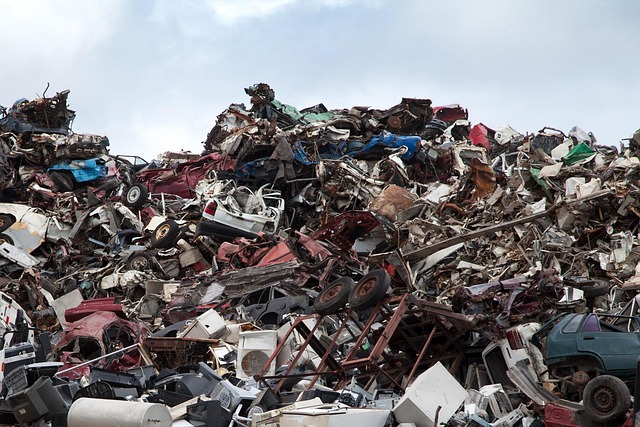
Many vehicle buyers focus primarily on aesthetics or performance when making a purchase—but there’s a crucial aspect often overlooked, especially for those considering pre-owned or salvage vehicles: understanding when a car needs an NMVTIS (National Motor Vehicle Title Information System) salvage title check. This step is essential to ensure the vehicle has not been damaged beyond repair or used in illegal activities, and it plays a pivotal role in determining if—and how—you can get your salvage vehicle back on the road legally and safely.
An NMVTIS salvage title check is imperative when purchasing a car that has been sold at auction or has undergone significant damage, regardless of its current state. For instance, a vehicle with a prior collision history might have been repaired and passed inspection, but without an NMVTIS check, you risk buying a car that still possesses hidden structural issues or hasn’t been properly titled since the original owner. This is where a licensed tag and title agency steps in as your advocate; they can navigate these complexities to ensure compliance with DMV salvage title processing regulations, such as those offered by Quick Auto Tags.
By utilizing an NMVTIS salvage title check, you’re not just safeguarding your investment—you’re also ensuring the safety of yourself and other drivers on the road. According to industry data, vehicles sold without proper titles are at a higher risk of being involved in theft or fraud, which can lead to significant legal consequences for the buyer. A licensed agency, like Quick Auto Tags, specializing in DMV salvage title processing can streamline this process, making it easier to get your salvage vehicle back on track—literally—1-3 times faster than traditional methods.
Select a Reputable Inspection Service Provider
Selecting a reputable inspection service provider is a crucial step when booking a pre-purchase inspection for your vehicle. With the National Motor Vehicle Title Information System (NMVTIS) playing a pivotal role in ensuring the legitimacy of vehicle titles, especially those involved in part salvage or recycling purposes, choosing the right inspector can make all the difference. Look for providers authorized by the California DMV, as they adhere to stringent standards and guidelines, offering you peace of mind.
Reputable inspection services will possess the expertise to navigate the complexities of NMVTIS, which is essential when dealing with vehicles lacking a valid title. They should have a proven track record, utilizing advanced technology and industry knowledge to accurately assess the condition of the vehicle. For instance, Quick Auto Tags, a recognized brand, specializes in fast salvage car re-registration, demonstrating their understanding of this niche. These professionals will thoroughly inspect the vehicle, document any repairs or replacements, and provide a comprehensive report, enabling you to make informed decisions before purchasing.
Data suggests that many vehicles with salvage titles are repaired and ready for the road. By engaging a reputable inspection service, you can avoid potential pitfalls and ensure the vehicle’s history is accurately represented. Their insights will help you assess whether the repairs meet safety standards and if the vehicle is suitable for your intended use, be it personal transportation or part recycling. Trusting an authorized provider like Quick Auto Tags ensures compliance with legal requirements, giving you confidence in your purchase decision.
Prepare Your Vehicle for a Comprehensive Inspection
Before booking a pre-purchase inspection, preparing your vehicle is crucial. This process involves a meticulous review of every component to ensure it meets legal standards, particularly when considering NMVTIS (National Motor Vehicle Title Information System) for salvage titles in California. A valid title is essential, as vehicles lacking one often enter the market for part salvage or recycling purposes.
Streamlining registration can be complex without expert guidance. For instance, California’s unique regulations require meticulous record-keeping and specific documentation to legally re-register a junk car. Quick Auto Tags offers specialized Junk car re-registration help tailored to these requirements, ensuring your vehicle’s transition from salvage to legal status is seamless. This service is invaluable when navigating the intricate process of registering vehicles with NMVTIS history.
During preparation, inspect key areas such as the engine, transmission, body panels, and electrical systems. Repairs or replacements may be necessary for items that show signs of damage or wear beyond reasonable limits. A comprehensive inspection report, including detailed notes on any repairs required, will be invaluable during the booking process. This proactive approach not only enhances the accuracy of the NMVTIS record but also ensures you make informed decisions before investing in a potentially problematic vehicle.
Learn What to Expect During the Inspection Process
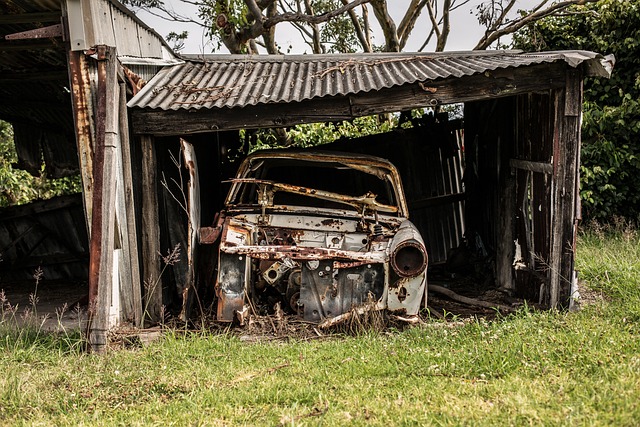
When you’re considering purchasing a salvaged or junked vehicle, it’s crucial to understand what to expect during the inspection process. This step is critical as it determines whether the vehicle can be safely and legally registered under the National Motor Vehicle Title Information System (NMVTIS). During an inspection, a licensed tag and title agency will assess if the vehicle has been in a significant accident or deemed a total loss—a factor that can heavily influence its re-registration eligibility.
The process involves a thorough examination of the vehicle’s history, condition, and any repairs made. Experts will look for signs of structural damage, frame misalignment, or parts replacements that may not meet safety standards. For instance, a vehicle deemed a total loss due to extensive water damage or fire may not be fit for road use without significant rebuilding, which could impact its re-registration prospects. Data shows that vehicles with a salvage title are often subject to more stringent inspection criteria compared to those with clean titles.
If your chosen vehicle passes the NMVTIS inspection, you’ll be one step closer to legally registering it through Salvage vehicle re-registration services at Quick Auto Tags. However, if significant damage or substantial alterations are detected, the agency may deny registration, leaving you with a non-roadworthy vehicle or one that cannot be insured. Therefore, thorough pre-purchase inspections and understanding NMVTIS regulations are essential to avoid costly surprises down the line.
Interpret the Inspection Report and NMVTIS Data

Interpreting an inspection report and NMVTIS data is a crucial step when booking a pre-purchase inspection for a salvage or junked vehicle. The National Motor Vehicle Title Information System (NMVTIS) plays a vital role in providing insights into a vehicle’s history, including any significant damage or total loss designations. By accessing this data, you gain a clearer understanding of the vehicle’s condition and its potential for re-titling and subsequent resale.
Upon receiving your inspection report, scrutinize the details meticulously. Look for entries indicating vehicles that have been significantly damaged or deemed a total loss. These notations are critical as they suggest the extent of the vehicle’s previous issues. If a vehicle has been classified as a total loss, it may have undergone extensive repairs or, in some cases, been declared unfit for road use. Understanding these historical aspects is essential when considering whether to proceed with the purchase.
Re-titling salvaged and junked vehicles involves navigating complex processes, including compliance with DMV salvage paperwork services like Quick Auto Tags. Ensure that all necessary documentation accurately reflects the vehicle’s true condition to avoid legal complications. Data from NMVTIS can significantly aid in this process by providing a transparent record of the vehicle’s history. For example, if you’re considering a part-salvage or recycling purpose for a vehicle, knowing its past can help determine its suitability for these applications and guide your decision-making process.
Take Action Based on Inspection Findings
After conducting a thorough pre-purchase inspection using NMVTIS (National Motor Vehicle Title Information System), it’s time to take action based on your findings. This crucial step determines whether you’ll get your salvage vehicle back on the road with ease or if it remains a mere memory of its former self. If the inspection reveals significant damage, consider the option to bid at auction for similar models to source parts—a common practice among savvy buyers.
However, if the vehicle holds potential despite its past, you can explore re-registration services like Quick Auto Tags, which specialize in navigating the complex process of salvaging and registering vehicles with ease. These professionals understand that a salvaged or junked vehicle, once properly inspected and repaired, can be a reliable mode of transport—a far cry from its ‘junk’ status. For instance, statistics show that many vehicles deemed salvageable are successfully restored to their former glory, proving that getting them back on the road is both feasible and beneficial.
The key lies in making informed decisions. Use the NMVTIS report as a roadmap, identifying areas of concern and potential cost-savers. For example, while a frame may have been bent in an accident, advanced welding techniques can often straighten it, saving you money on costly replacements. By taking this proactive approach, you’ll not only ensure your vehicle is safe but also maximize its value, even if it carries a salvage title.
By proactively booking a pre-purchase inspection, vehicle buyers can gain invaluable insights into a car’s history and condition. This process, highlighted by NMVTIS salvage title checks, offers a crucial layer of protection against potential hidden issues. Reputable inspection service providers, armed with comprehensive knowledge, play a vital role in navigating this process. By preparing your vehicle, understanding the inspection process, and interpreting reports, you empower yourself to make informed decisions. The data retrieved from NMVTIS is instrumental in uncovering past accidents, damage, or ownership changes. Taking action based on these findings ensures you’re making a safe and sensible purchase. This strategic approach not only safeguards against costly surprises but also fosters a transparent and trustworthy automotive market.